

Delving Deeper: Defining Dementia, Dec. 1st, 2 pm ET
Two physicians who helped build the first generation of Alzheimer’s medicine, on the breakthroughs now changing diagnosis and treatment
Editor’s Note: This talk launches a new series of class talks. Each one features a classmate who can speak with real authority, earned in a career or a passion project. Expect one big idea, a few supporting points, and plenty of time for your questions. Several talks will take up the health issues many of us now face, and Ken and Bonnie Davis lead off.
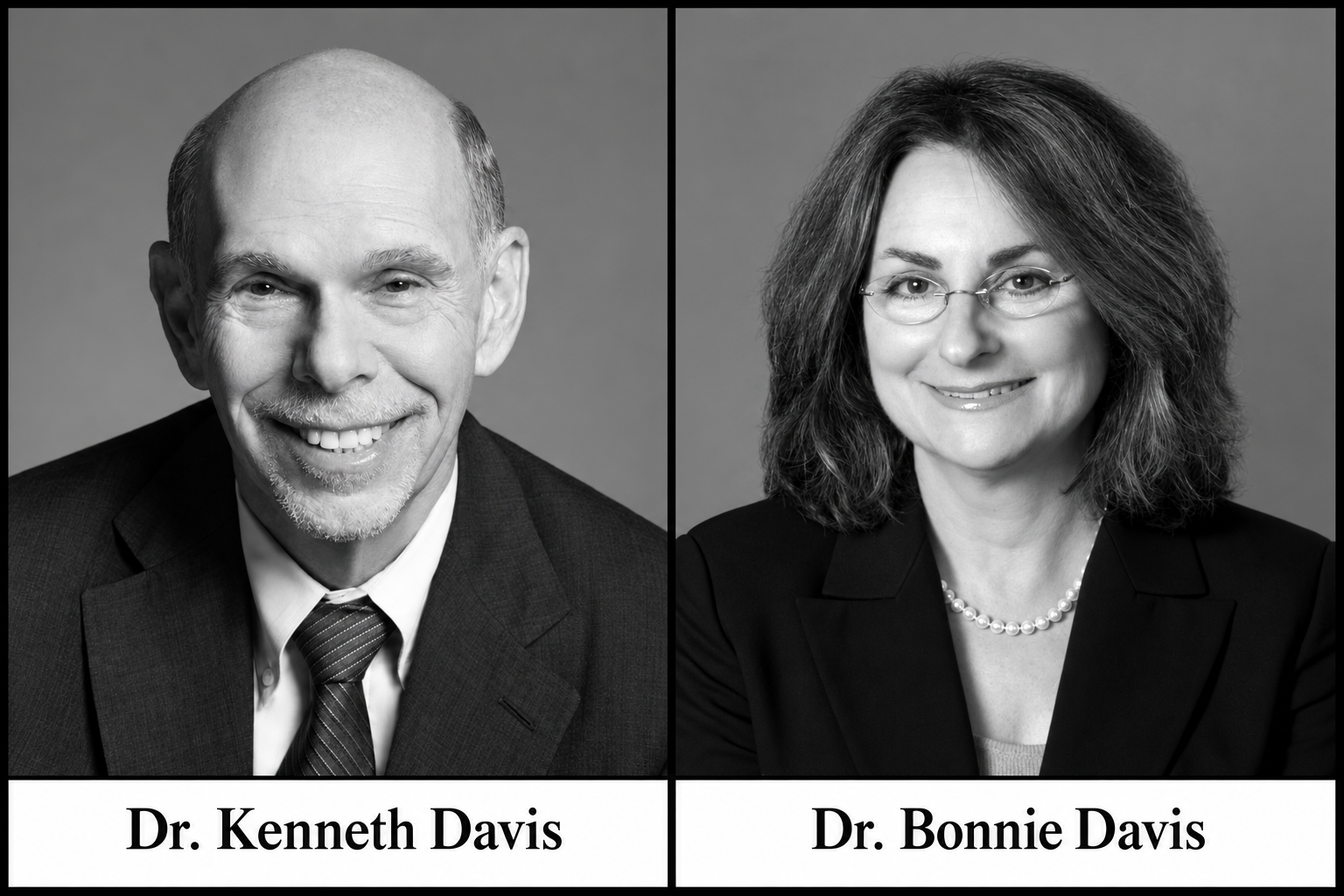 Every one of us has walked into a room and forgotten why. That is not dementia. Dementia is a disease, and for most of our lives its most common form, Alzheimer’s, brought almost nothing but bad news.
That is changing fast. Classmate Ken Davis and his wife, Dr. Bonnie Davis, helped create the first generation of Alzheimer’s drugs. Now they will walk us through the next one: earlier diagnosis, treatments that slow the disease, and what it all means for us.
The Stakes
According to the World Health Organization, about 57 million people live with dementia, and nearly 10 million new cases appear each year. It is the world’s seventh leading cause of death. In 2019 it cost an estimated $1.3 trillion, about half of that in unpaid care by families and friends.
Dementia is an umbrella term, not a single disease. Alzheimer’s accounts for 60 to 70 percent of cases. Vascular, Lewy body, and frontotemporal dementias make up much of the rest, and mixed forms are common. Yet many people still assume decline is simply what happens after 80, or fear the word too much to see a doctor. With treatments that work only early, that delay now costs more than ever.
Register now for Tuesday, December 1, at 2:00 PM Eastern / 11:00 AM Pacific.
The Breakthroughs Are Real
Since 2023, the FDA has fully approved two drugs, lecanemab and donanemab, that clear amyloid plaque from the brain and slow decline in early Alzheimer’s. Since 2025, it has cleared blood tests that detect the disease’s biology, work that once required a PET scan or a spinal tap. The drugs are not a cure. They carry real risks and help only in the early stages. That makes early diagnosis more valuable than ever.
Questions on the Table
- How do the major dementias differ, and how do you tell the ordinary slips of a 79-year-old brain from the early warning signs?
- What can the new blood tests tell us, and who should consider one?
- What do the new drugs actually do, how much do they help, and who are they for?
- What did the first generation of Alzheimer’s drugs teach us, and what comes next?
- Which risk factors can we still change at our age? A 2024 Lancet Commission linked 14 modifiable factors, from hearing loss to high blood pressure, to nearly half of all cases.
- What should we put in place now, for ourselves and for the people we love?
A Conversation, Not a Lecture
Our class secretary, Dr. Art Segal, will interview Ken and Bonnie, then open the floor to Q&A from classmates. Few of us will get another chance to put these questions to two people who have spent four decades on the answers. One of them started out on the Old Campus with the rest of us. Save your seat now.
Alzheimer’s at a Turning Point
Tuesday, December 1 · 2:00 PM Eastern / 11:00 AM Pacific · on Zoom
About the Speakers
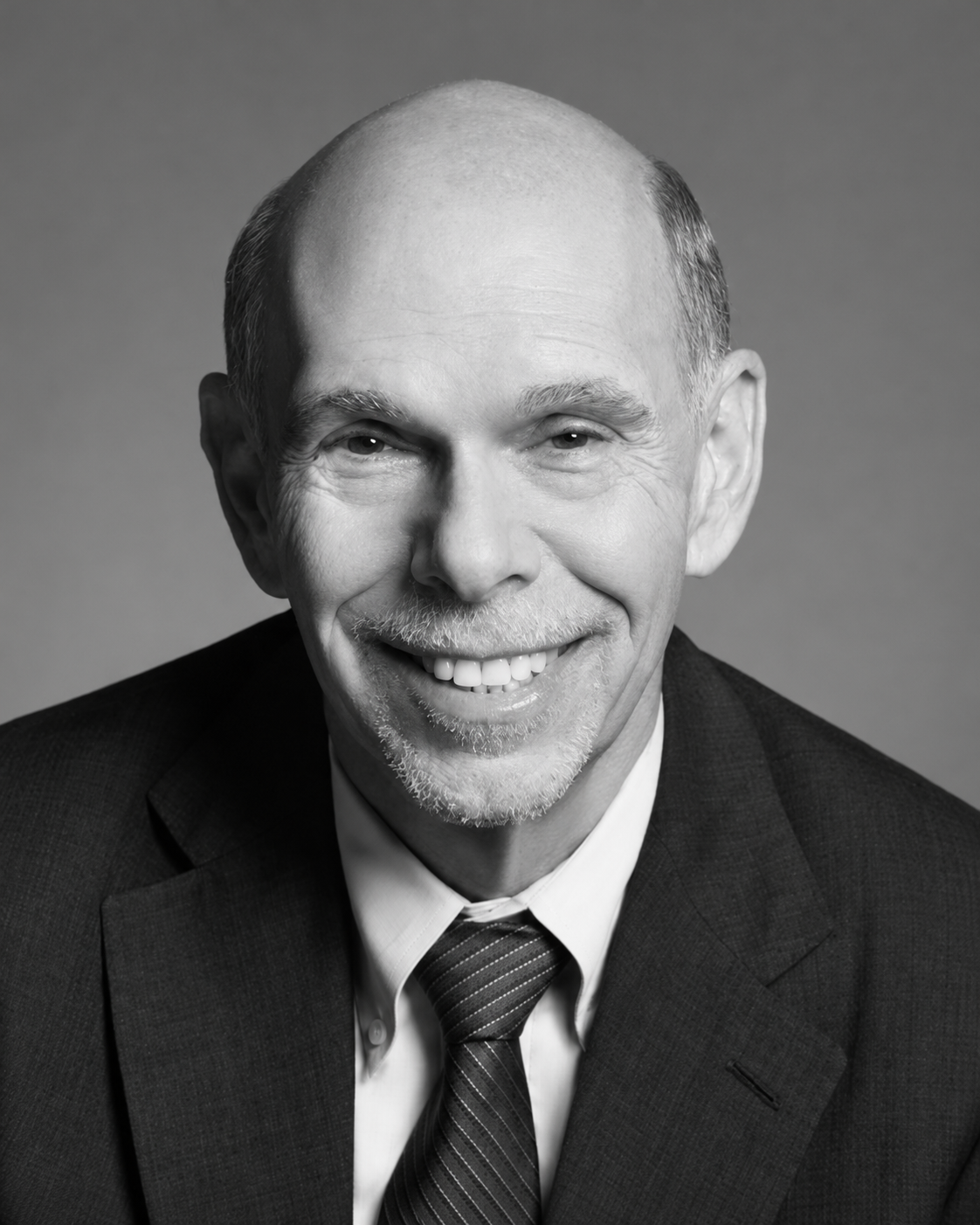
Ken Davis, Morse ’69, graduated magna cum laude and lettered in track, then turned his stamina on the biology of the brain. After Mount Sinai’s medical school, where he was valedictorian, and training at Stanford, he became a leading researcher in Alzheimer’s disease and schizophrenia. He helped develop the first generation of Alzheimer’s drugs and co-developed the Alzheimer’s Disease Assessment Scale, still a standard yardstick in drug trials. He directed Mount Sinai’s Alzheimer’s Disease Research Center, won tens of millions of dollars in federal research grants, and published more than 500 papers. He is a member of the National Academy of Medicine.
Ken then took that judgment into leadership. He chaired psychiatry at Mount Sinai, served as dean of its medical school, and led Mount Sinai as CEO from 2003 to 2024. Today he is Executive Vice Chair of its Board of Trustees. He has seen this disease from the research lab, the clinic, and the boardroom.
Also, Ken is one of three classmates, with Calvin Hill and Frank Shorter, to receive Yale’s George H.W. Bush ‘48 Lifetime of Leadership Award.
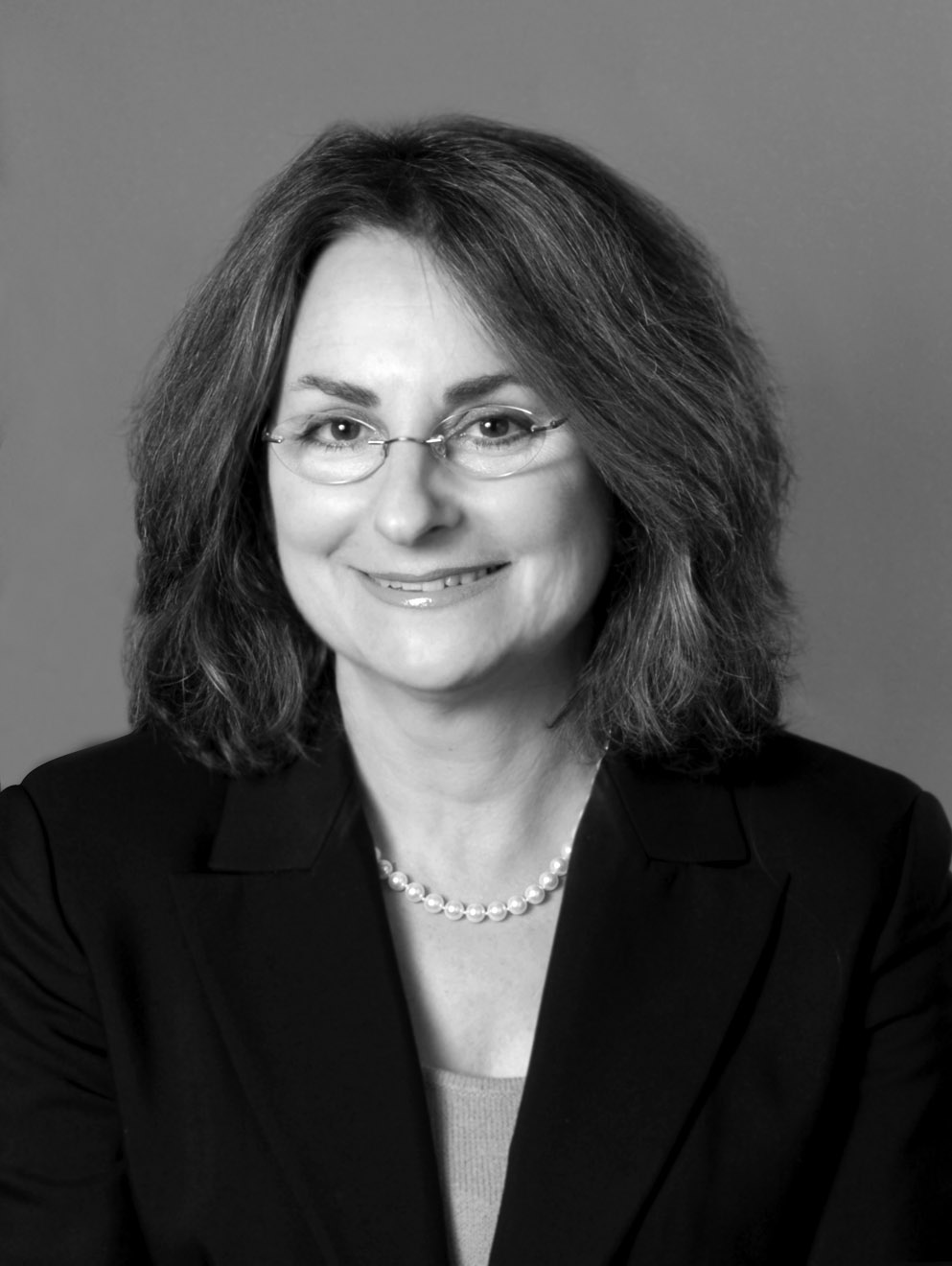
Bonnie Davis, MD, is a retired endocrinologist who, like Ken, has devoted her career to the biology of the brain. She discovered that galantamine, a compound first found in the snowdrop flower, could help treat Alzheimer’s disease. She filed the patent in 1986 and developed the drug with Johnson & Johnson. It became one of the first approved for the disease. For decades prior to her retirement, she led Synaptec, Inc., the company she founded, and she holds numerous drug patents. She is now developing compounds for a range of other conditions with scientists worldwide.
Together, Ken and Bonnie can explain both how we measure dementia and how we fight it.
How to Join
You are invited to a Zoom meeting on Tuesday, December 1, 2026, 2:00 PM Eastern Time (US and Canada)
Register in advance for this meeting: https://us02web.zoom.us/meeting/register/qAe6REOjRduQ_cgZj_8c5Q
After you register, you will receive a confirmation email with information on how to join the meeting.